Death of the ideal self
in the wind Vol2
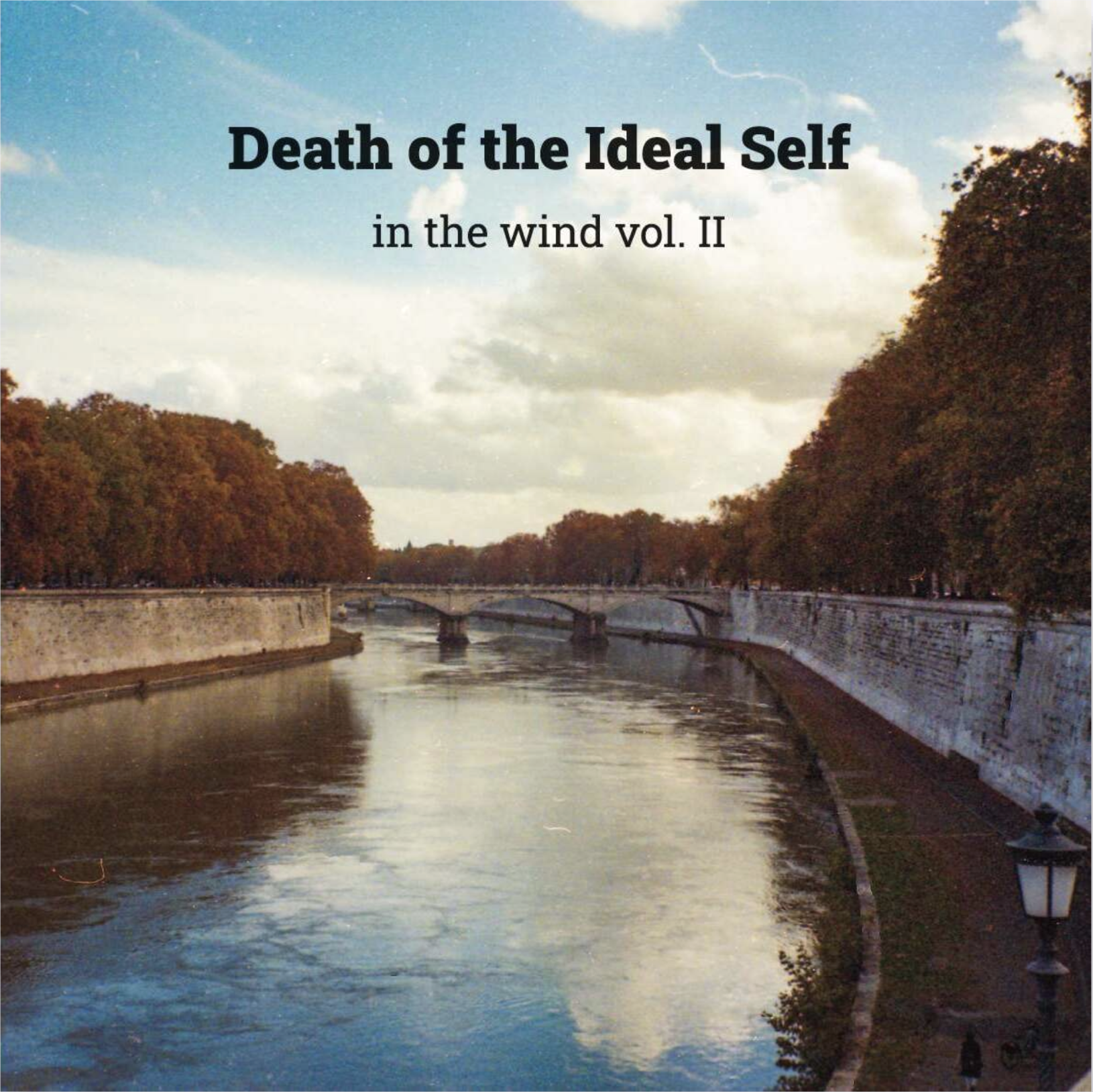
Death of the Ideal Self is a photographic exploration of what happens when we let go of who we think we’re supposed to be. Created during a 2.5-month solo journey across Europe, the book traces a shift away from productivity, visibility, and expectation, and toward presence, curiosity, and quiet observation. Through 119 35mm film photographs, it reflects on the tension between identity and experience, asking what remains when the pressure to perform a version of ourselves begins to fall away.
-
Death of the Ideal Self is a reflective photo book that examines the quiet unraveling of identity in a world that constantly asks us to define, refine, and present ourselves. Through ~119 35mm film photographs taken across a 2.5-month journey through Europe, the work explores what it means to step outside of expectation—both external and internal—and to exist without the pressure to produce, perform, or be perceived.
What began as a loosely structured plan quickly dissolved, giving way to a more intuitive way of moving through the world. Traveling by train and bus with only a backpack and a guitar, the project became less about documentation and more about attention—about noticing light, place, and people without needing to translate those moments into anything beyond themselves. The decision to step away from social media further removed the layer of audience, allowing the experience to unfold without proof, without validation, and without narrative control.
At its core, the book centers on the idea of a “death of the ideal self”—the slow and often uncomfortable process of letting go of the person we believe we should be: the productive one, the visible one, the one constantly shaping life into something legible and valuable to others. In its place, something quieter emerges. Not a new identity, but a loosening. A willingness to exist without constant self-definition.
The photographs themselves function as fragments of that experience—imperfect, observational, and unforced. Taken on film, they carry an inherent unpredictability that mirrors the nature of the journey itself, including moments of uncertainty where the outcome was never guaranteed. Yet the value of the work ultimately shifts away from the result and toward the act of paying attention.
Blending personal narrative with a broader reflection on creative responsibility, Death of the Ideal Self becomes a subtle resistance to cynicism. It asks whether it is still possible to move slowly, to remain open, and to care deeply in a culture that often rewards the opposite—and suggests that perhaps the act of trying is, in itself, enough.