
Books
Over the past few years, I've found myself increasingly drawn to longer-form writing. What began as a way to make sense of my own experiences has slowly developed into a love for exploring the complexities of being human through the written word. I've written two books so far, both currently making their way toward publication, and I'm excited to see where this part of my creative life takes me.

The Artist’s Dilemma
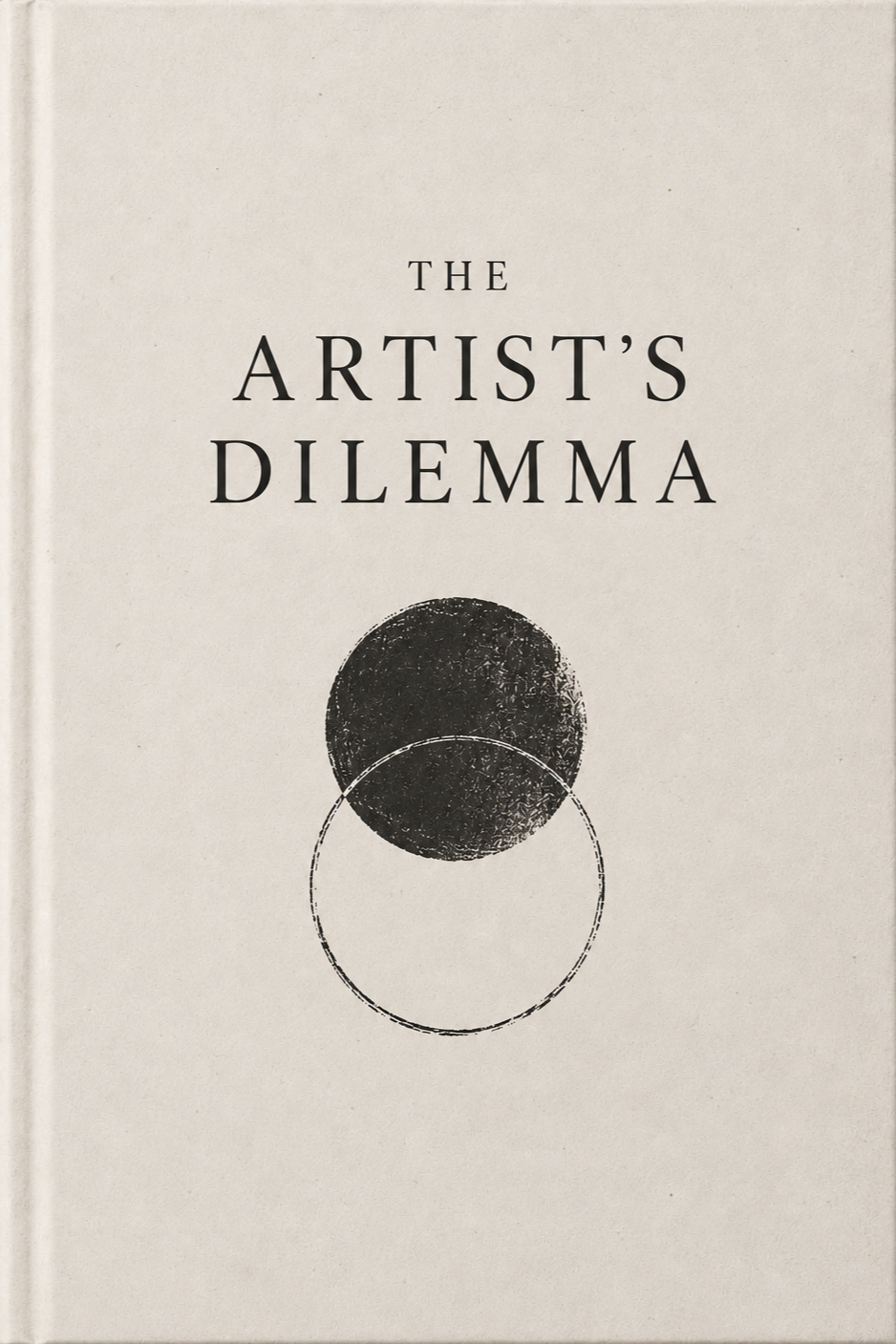
The Artist’s Dilemma is a reflective exploration of how to stay true to your creative voice in a world that constantly pulls you away from it—through capitalism, survival pressures, overstimulation, and a society designed around productivity rather than meaning. Blending personal narrative and cultural commentary, the book asks what it means to be an artist today, and whether it's truly possible to create meaningful work while meeting the demands of modern life.
-
The Artist’s Dilemma begins with a simple, unsettling question: what does it really mean to be an artist in today’s world—and is it possible to live as one without compromising your sense of self?
Rooted in the experience of a creative person navigating middle-class America, the book unpacks the tension between the drive to create and the systems that make doing so difficult. It explores how capitalism forces art into the realm of product, how the myth of stability through a 9-to-5 job often masks deeper insecurity, and how the infrastructure of modern life is not designed with human beings—let alone artists—in mind.
The narrative blends personal reflections with philosophical inquiry, making space for both uncertainty and clarity. It explores why so many talented artists remain financially unstable, what internal and external belief systems hold them back, and whether success is a matter of luck, strategy, or something else entirely.
The book also turns its attention to mental and physical health, arguing that sustainable creativity requires rest, play, and safety—things that are increasingly rare in a society built on urgency, scarcity, and distraction. It speaks to the emotional and nervous system toll of trying to build a life around your art, especially when that life requires social media visibility, self-branding, and constant online presence.
At its heart, The Artist’s Dilemma is about reconciling the dream of a creative life with the realities of surviving in a system that often feels hostile to creativity. It holds space for those who feel stuck between the world of art and the world of obligation—and offers a compassionate, honest look at what it means to keep going.
The Creative Entrepreneur
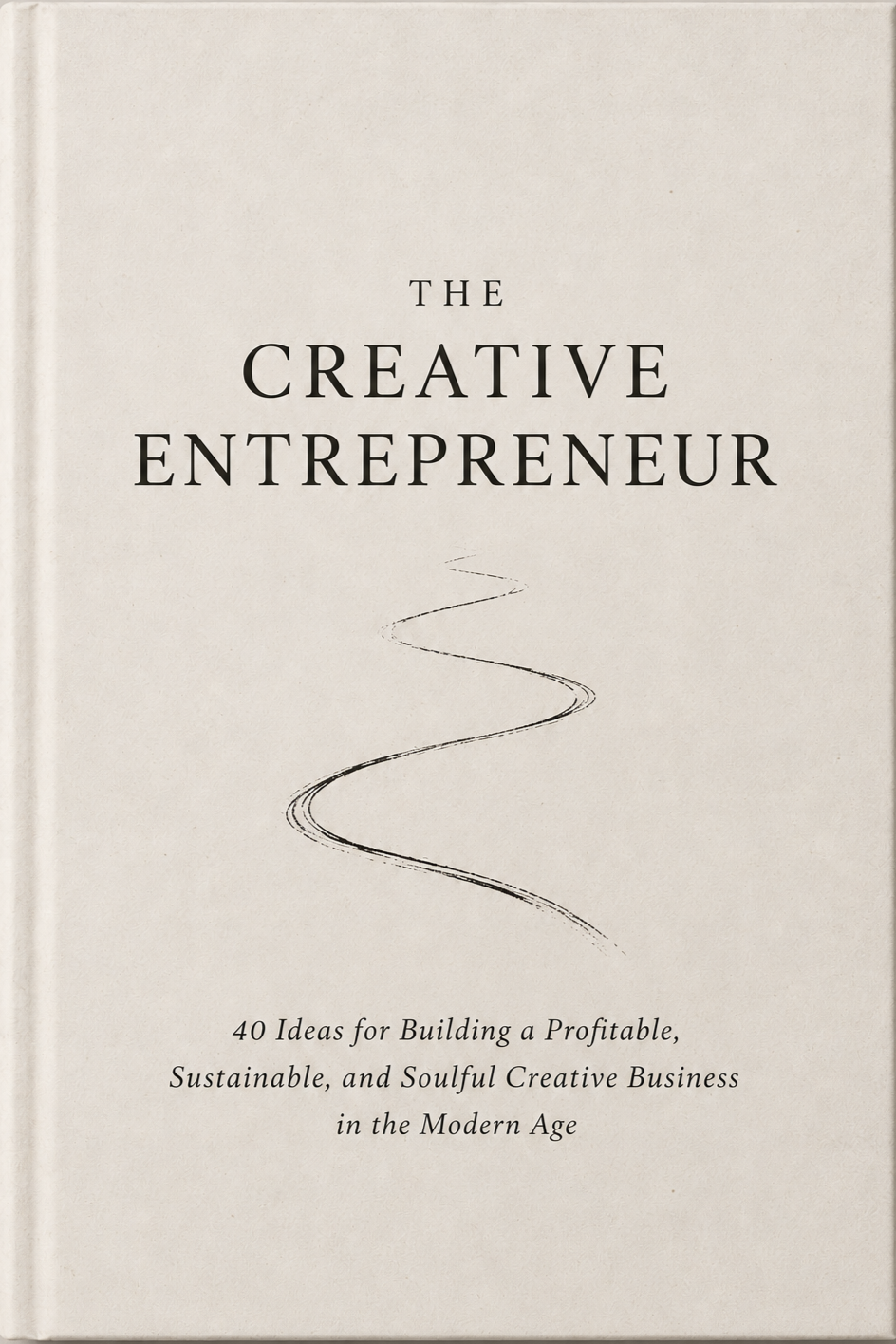
What does it really take to build a creative business in today’s world? Not just one that pays the bills—but one that feels aligned, sustainable, and actually gives you the time and space to make your art?.
The Creative Entrepreneur is a practical, bullshit-free guide for artists, freelancers, and creative thinkers who want to build something real. Not overnight success. Not hustle-until-you-crash. But a business that reflects your values, supports your life, and grows with you.
Whether you’re just getting started or already running a business that needs recalibrating, this book is here to help you build with intention and stay in the game for the long haul.
-
What does it actually mean to make a living as an artist? And perhaps more importantly, how do we build a business around our creativity without losing the very things that made us want to create in the first place?
The Creative Entrepreneur is an exploration of the complicated relationship between art, money, ambition, and the lives we're trying to build. Written for artists, freelancers, and independent creatives, it challenges the idea that financial success and creative fulfillment have to exist in opposition to one another.
Drawing from my own experiences building a creative business, the book brings together 40 ideas organized around four central themes: foundations, strategy, sustainability, and growth. From understanding your finances and valuing your work to developing systems, setting boundaries, navigating uncertainty, and knowing when to change direction, it examines both the practical realities and the less tangible challenges of making a living doing something you love.
But this isn't a book about maximizing productivity, chasing overnight success, or turning every creative interest into another source of income. It's about developing a healthier relationship with work, understanding what enough looks like for you, and building something that can support your life without consuming it.
At its heart, The Creative Entrepreneur asks a question I've spent much of my own career trying to answer: How do we take our creative work seriously without allowing the business of making art to overshadow the experience of being an artist?
Rather than offering a rigid blueprint for success, the book invites readers to examine their own definitions of success, question the assumptions they've inherited about work and money, and develop an approach to entrepreneurship that reflects their individual values and ambitions.
Because the goal isn't simply to build a profitable business. It's to create something sustainable enough to give us the freedom to keep making things, remain curious, support the people and communities we care about, and build a life we don't feel the need to escape from.
Ultimately, The Creative Entrepreneur is as much about the art of living as it is about the business of making art.